Finding Purpose in Retirement
As a retirement coach, I’m often asked by clients to help them find ‘purpose’ in life after work.
I start with my client recognizing what’s needed for a successful retirement involves careful planning across several areas including: health, finances, and purpose. Beyond simply saving money, a thriving retirement requires adapting to a new lifestyle, maintaining social connections, and staying engaged in meaningful activities.
As part of your retirement visioning, its visualizing yourself at the end of your retirement when you’re 90, 95 or 100+. What are you most proud about? What have you done that brought happiness to you and others? What will you be remembered for?
Successful retirees use their personal idea of legacy to influence their lives in positive ways. They consider what is truly important and use it as a compass to guide their activities. For example, if you want to be remembered as the greatest grandmother or grandfather, what activities are needed to make your legacy a reality.
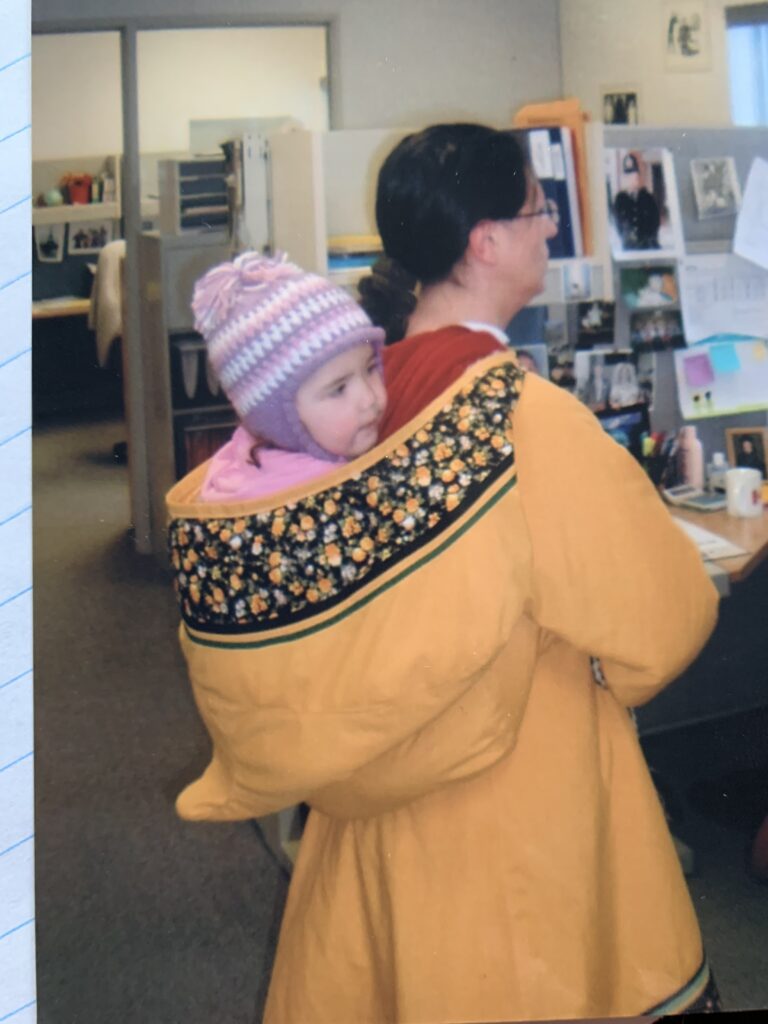
For me, part of my legacy, for the past 13+ years, mentoring Inuit supervisors and managers as part of the Government of Nunavut’s Initiative program. As a mentor, I am passing on my human resource expertise, experience and advice to my mentees. In turn, they share their culture, language, love of land with me. Recently, I was speaking to one of my mentees from 10 years ago. Her first words were: “I’ll never forget you and how you helped me achieve my goals!”
Another example of how a concept of legacy prompted someone to take certain actions: a client loves animals. She volunteers at a local animal shelter. Volunteering adds structure and a sense of fulfillment to her life. Teaching volunteers continually broadens her social circle and helps keep her brain challenged and healthy.
Legacies can be big or small. The key is to ask yourself, “How do I want to be remembered?” This question helps you keep perspective and will guide you in setting priorities for taking actions.