Couples in Retirement: Great Time or Living Hell?
“When my wife retired, she expected me to stop hanging out with my buddies. If I did see my gang for a couple of hours, she would fume or blow up about me ignoring her.”
In retirement, your relationship with your partner is most likely to change the most. The change can be particularly striking when retirement occurs soon after the children have left the “nest”. A survey published by the University of Minnesota. “Time for Each Other”, found that the average couple with children living at home spends only three or four hours a week together (without the children). Although the study didn’t look into it, likely those three or four hours a week are spent collapsing on the couch and watching TV.
Before retirement, each person tends to have developed a schedule and routine around work, family, friends, and home. When retirement comes, it affects much of that.
As a couple, it’s important to discuss what retirement means to both of you in terms of roles and responsibilities. You might find it’s also time to reinvent how your roles interact.
Discuss things such as:
- Who does what around the house? Will one of you now do more or less of the grocery shopping, cooking, or other chores? Also discuss how new interests might affect the other person.
- Schedules and coordination. Will you generally be home for dinner at a certain time? Should you inform your partner about any new activities that might affect your usual routines? Are there old activities you intend to continue? (Like meeting your buddies).
- Your household budget. Be sure to ask the important questions. Is your monthly income now more limited? Do you want to save for something? Do you need to adjust how much you spend on groceries? Do you need to budget for new pursuits, such as cooking classes or a health club membership?
- What and/or where is each person’s “territory”? Our workplace often provides personal territory, and this changes with retirement. You might need to identify or create a new personal space or territory at home possibly for each of you.
I was still working when my husband, a project manager, retired. While I was at work, he reorganized the kitchen cupboards. That was problem one. He then rearranged the living room furniture without discussing it with me. The proverbial icing was when he signed us both up for courses at the senior centre, again without discussing it. By then I was furious, and we actuallky stopped speaking for serveral days. Cathy O. former tax specialist
- Doing things together, whether or not both of you are retired. Couples who have shared interests and activities aside from home and children are generally far happier. If you don’t currently have such shared activities, make the effort to find some. Brainstorm a list of possibilities, create a plan to test-drive, and then follow through. Some couples create a written description or agreement, potentially including an outline of dates, duties, responsibilities and authorities.
Whether decisions or agreements are expressed on paper or not, discussing how your roles and activities interact will help prevent problems.
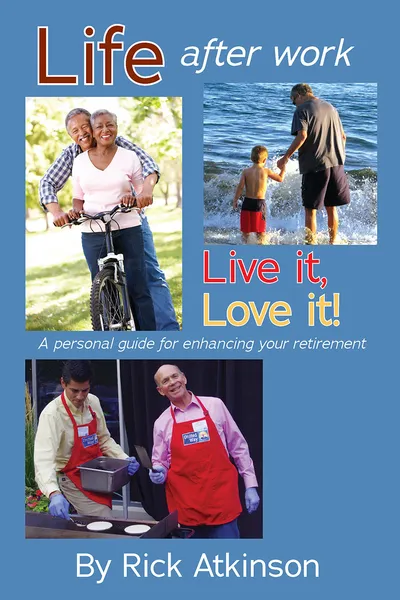
Extract: Spousal/Partner Communications: Life After Work: Live it, Love it! https://www.amazon.ca/Life-After-Work-enhancing-retirement/dp/0981106544