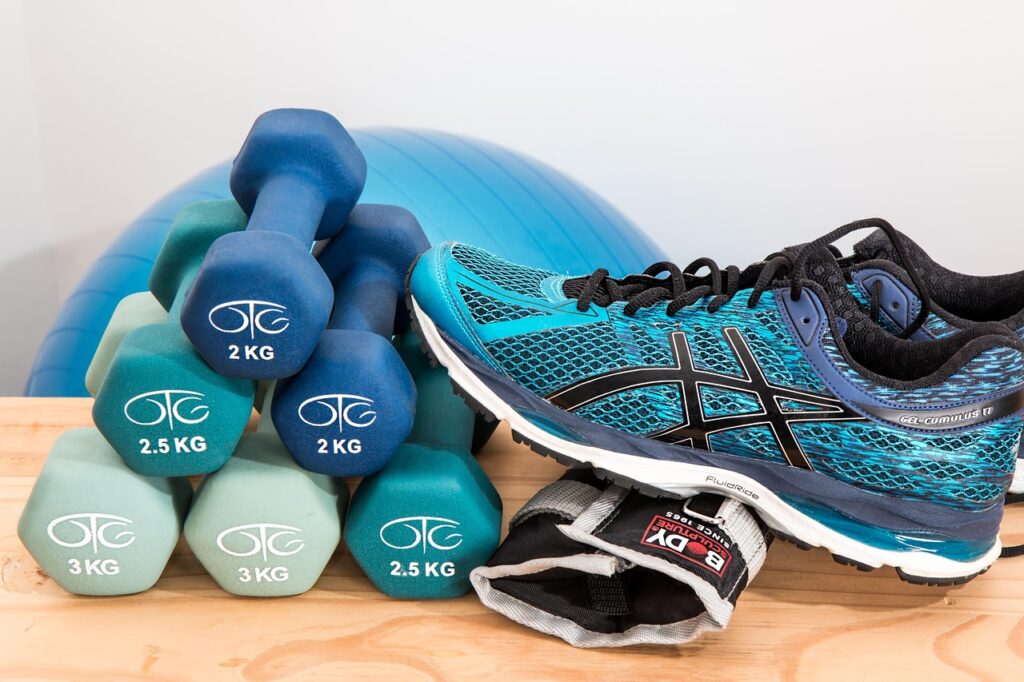
This morning at the gym, a fellow member and I wondered why so many people over 65 don’t exercise. We talked about acquaintances who live sedate lives, such as sitting for hours watching TV, lying down during waking hours, or spending abnormal time using a computer.
I belong to a group of 65+ year olds who are regularly at the gym at 6:30 am. Besides using the equipment and following our individual regimens (tread mill, rowing machine, weights, mats, etc.), we enjoy the camaraderie. The group has been together for years, each encouraging fellow members in the achievement of personal goals.
However, research shows only a minority of Canadians over 65 exercise regularly, with figures at around 14-16% meeting the 150-minute recommended weekly guideline for optimal health. Though higher percentages (up to 46% in some reports) meet some activity levels, inactivity increases significantly with age, especially after 75, with estimates suggesting 74% or more are inactive.
Regular exercise is a major contributor to overall wellness. Exercise improves cardiovascular efficiencies, lowers blood pressure, strengthens bones, builds muscle strength, and improves metabolism. Without activity a person deteriorates at a rapid rate. Other benefits of regular exercise are weight control, balance and flexibility.
Seniors often avoid exercise due to physical barriers like chronic pain, fatigue, balance issues, or fear of falling/injury. The psychological factors which are at play are low motivation, anxiety, perceived limitations from aging, and lack of confidence.
Environmental issues which may deter exercise include lack of support, cost, or societal beliefs that rest is best.
These barriers often work together, for example, pain (physical) leads to a fear of falling (psychological), which is worsened by a past fall (physical/psychological), making participation less likely.
In my mind, and my fellow gym members, the key to regularly exercising is developing a program that consists of the right activities for you. If you do not enjoy what you are doing, your commitment to exercise will dwindle. Luckily there are hundreds of options that will elevate your heart rate, help with weight control and build muscle.
To help with your momentum, share your exercise regimen with family and friends and ask for their encouragement. When you meet your goals, tell people what you have accomplished and let them know what you’re planning. This builds momentum and earns accolades, both of which act as stimulus for achieving future physical fitness success.