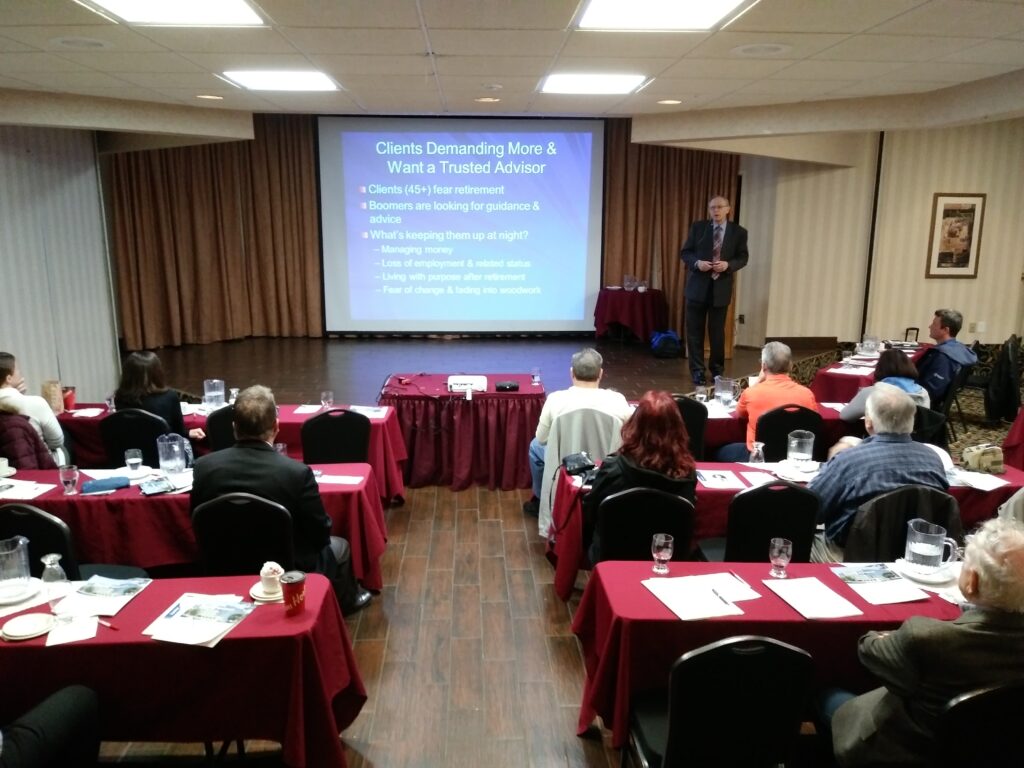
One of the most difficult stages in transitioning from work to retirement is recognizing the need to change how life in retirement may be different than one envisioned years ago. For many pre-retirees, they pictured retirement as a time when they wake up when they’re ready, lounging around the house with a cup of coffee, calling up friends for tennis or a game of golf. Ah, freedom at last!
But retiring is not only about giving up a job and relaxing. It’s entering one of the most exciting and challenging stages of life. It can be the time when you realize your potential and accomplish significant goals previously delayed by the responsibilities of working and raising a family.
However, a successful retirement doesn’t come without its hurdles. The need for change in retirement thinking is driven by demographic, economic, and social shifts that have rendered traditional “one-size-fits-all” retirement models outdated.
The key drivers for this need for change include:
Increased longevity: People are living decades longer than in the past, meaning retirements now often last 25 – 30 years or more. This increases the risk of outliving savings and necessitates larger retirement funds and longer-term planning.
Decline of traditional pensions: The shift from employer-sponsored defined-benefit pension plans to employee-funded defined-contribution plans (like 401(k)s and RRSPs. This shift transfers the responsibility and risk of saving for retirement from employers to individuals. Many pre-retirees are ill-equipped to manage this responsibility, leading to inadequate savings.
Financial pressures and inadequate savings: High costs of living, inflation, stagnant wages, and high household debt make it difficult for many to save enough for retirement.
Rising healthcare costs: Traditional planning often underestimated these costs, which can quickly drain savings, especially in cases of chronic illness or long-term care needs.
Changing nature of work and non-traditional retirement: The traditional model of a single, full-time career followed by an abrupt “full stop” retirement is becoming less common. Many are opting for phased retirement, second careers, or part-time work to supplement income, maintain social engagement, and find purpose.
Psychological and social needs. Beyond finances, traditional retirement planning often overlooks the emotional and psychological aspects of retirement – the loss of workplace social networks, identity crises, boredom, and loneliness are significant challenges that require non-financial planning and a focus on finding new sources of purpose and meaning.
Increased economic volatility: Market volatility and economic uncertainty make it harder to rely on a fixed income or traditional investment strategies. Retirement plans need to be adaptable and regularly monitored to withstand economic shifts.
Changing family structure: Shifting family dynamics such as higher divorce rates and an increase in “solo agers” (individuals without a spouse or children to rely on for support) mean traditional family support systems are less reliable. This increases the need for robust retirement planning and alternative support networks. Included in the changing family structure are adult children remaining living in their parents’ home well into their thirties.
Given the above, it is important for pre-retirees to explore many of the unknowns and to experiment to plot a successful change path. In my new book, Retirement: The Ultimate Life Journey, I assist readers with their retirement planning process. The book outlines some of the problems and questions to be addressed and to provide insight and direction, without taking away from the reader’s individual decision-making.
If you are around or between the ages of 45 to 65, it’s time to explore your future as a retired person.
Retirement: The Ultimate Life Journey is available in both print and e-book format at https://bit.ly/47oXdYZ